
Pick your industry
Every extrusion process controls something different. Twelve industries, and which systems each one needs.
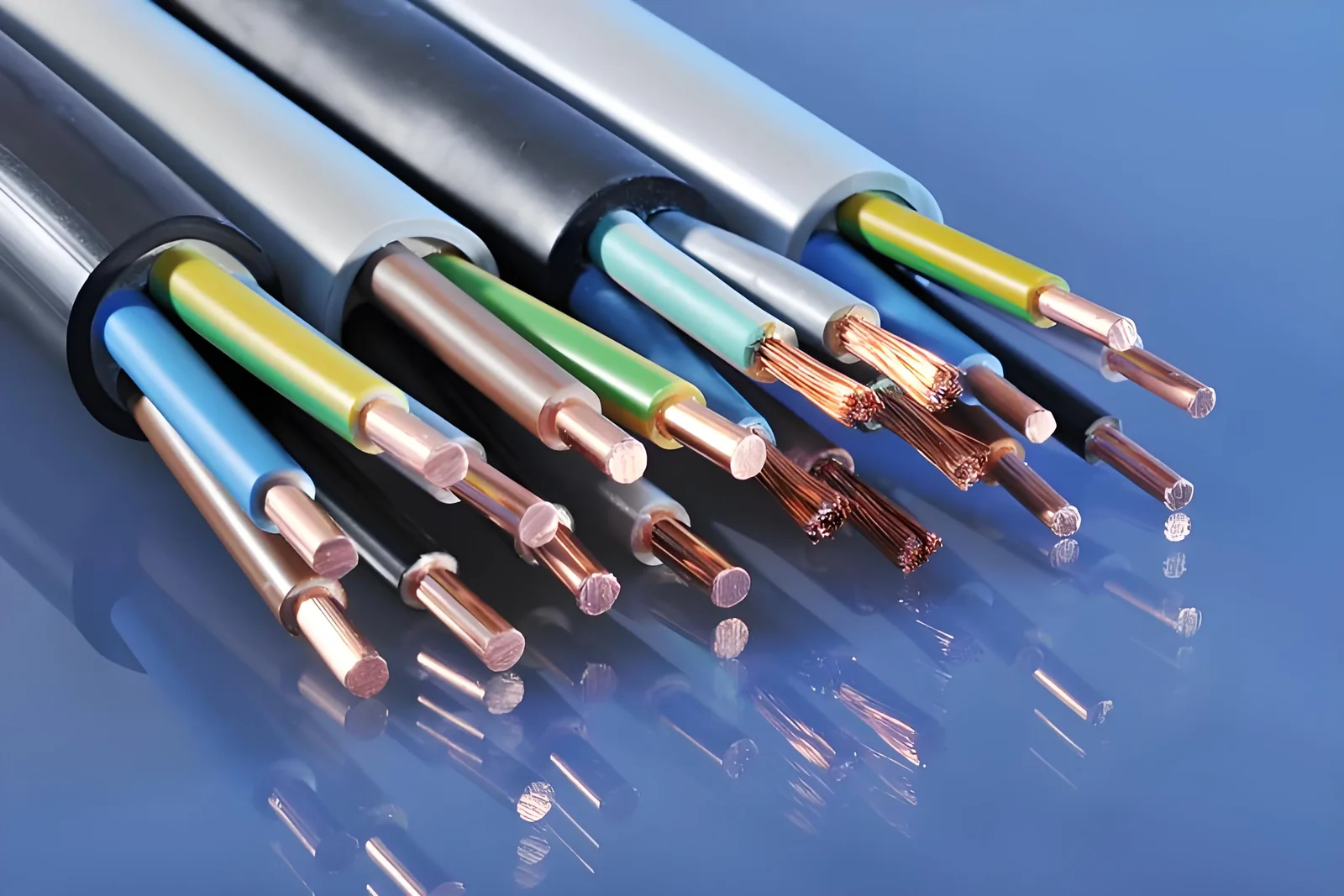
Cable sheathing
The more complex the spec, the higher the repeatability demanded — and the tighter the sheath thickness has to be.
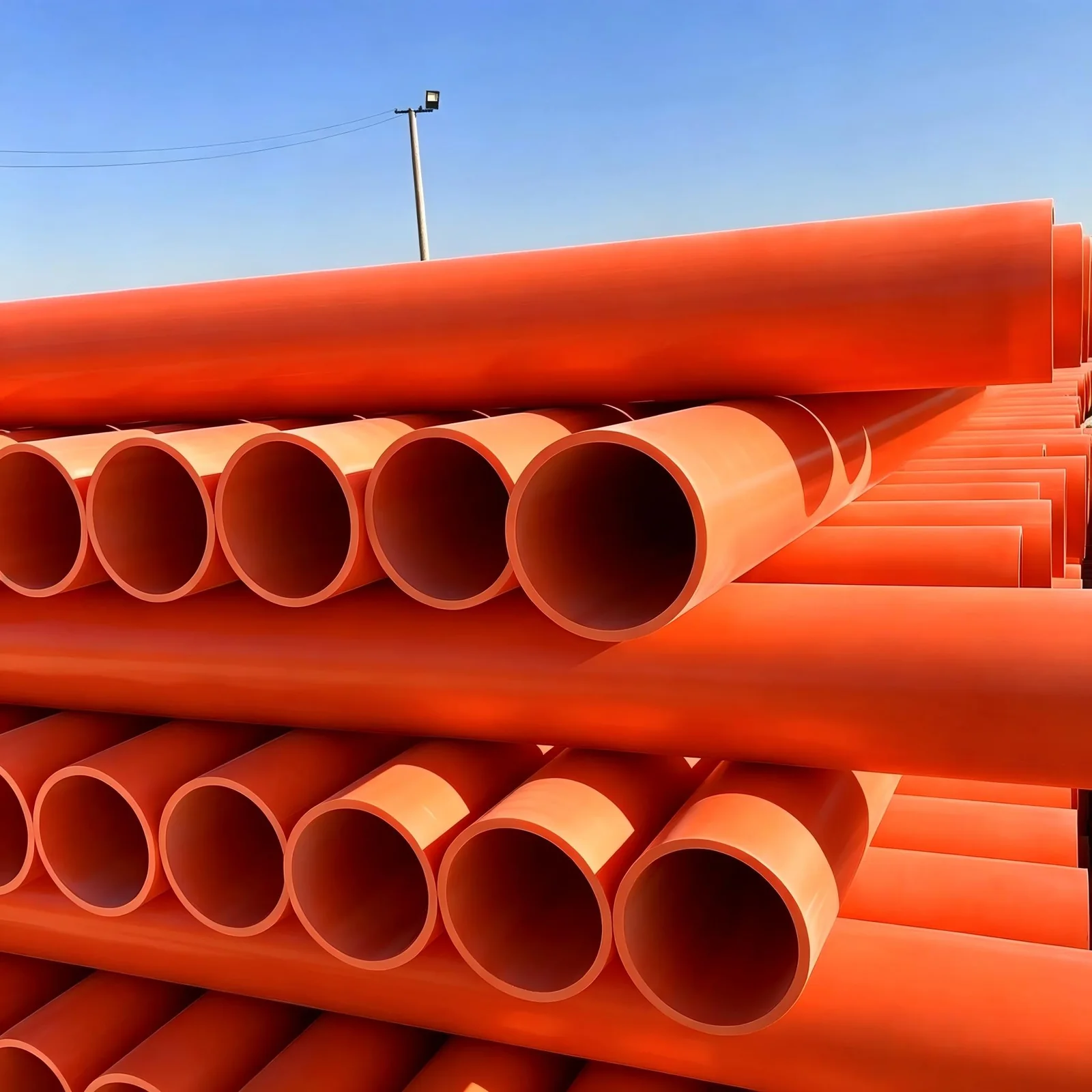
Corrugated / wrap pipe
The forming is different; the need for steady weight and steady dosing is not.
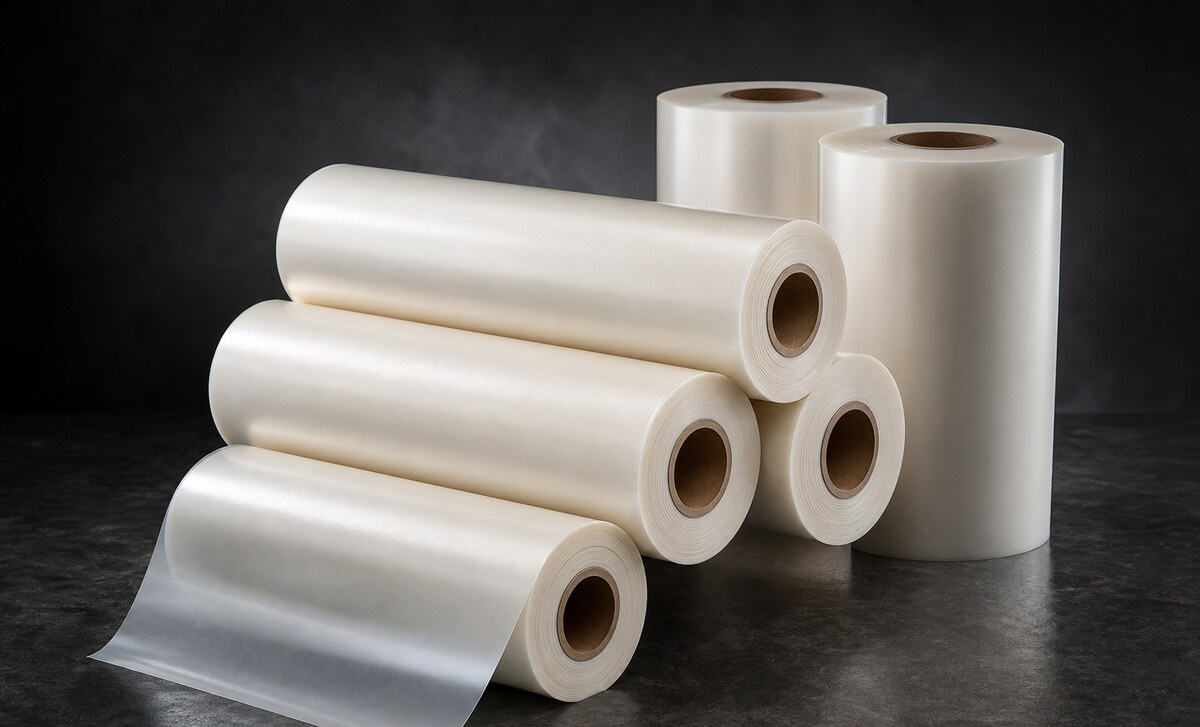
Blown & cast film
Film is a multi-layer composite of complex materials and blends — it needs its dosing measured, not estimated.
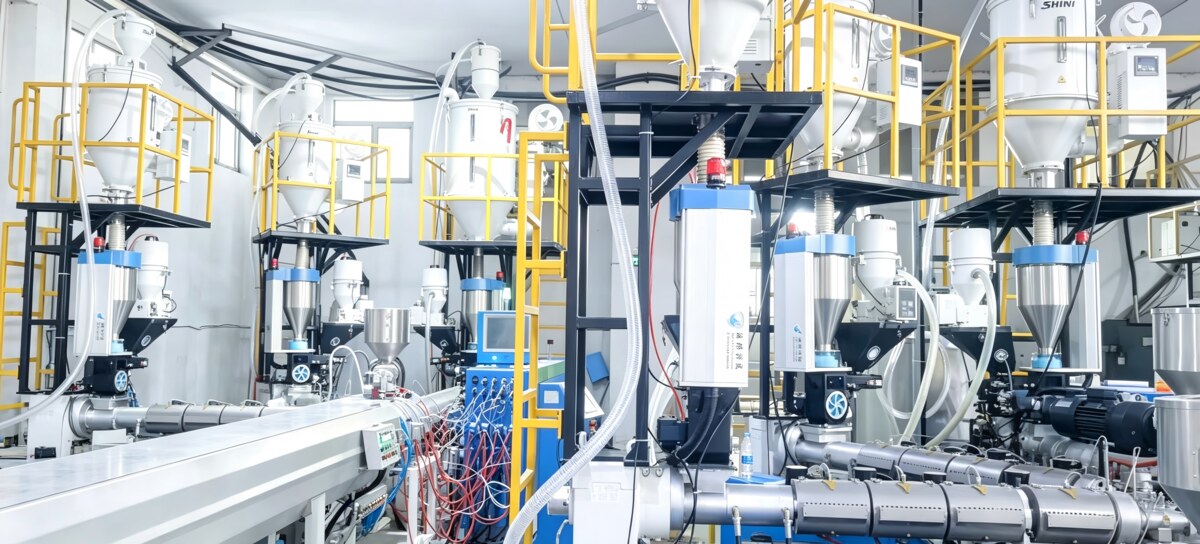
Masterbatch & compounds
Masterbatch has long been dosed by hand — inaccurate components, uneven mixing, and a moment's lapse that can cost more than it should.
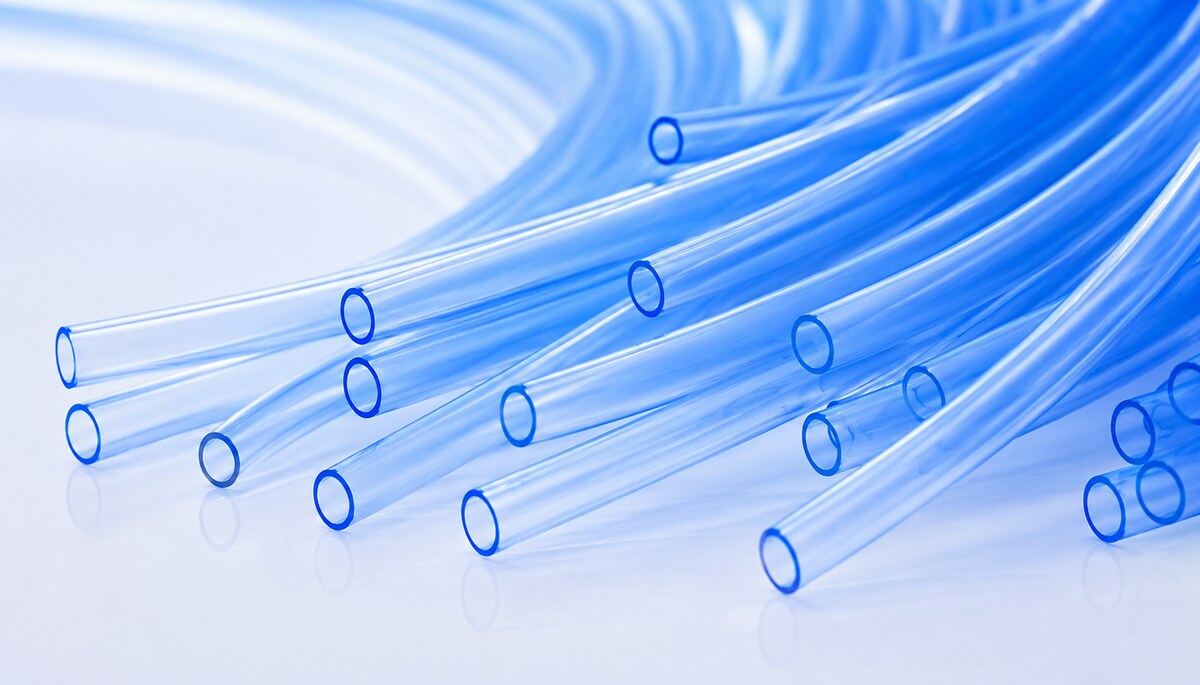
Medical catheter
Small, complex, geometrically exacting and hygienically strict — and above all, it needs the wall thickness to hold.
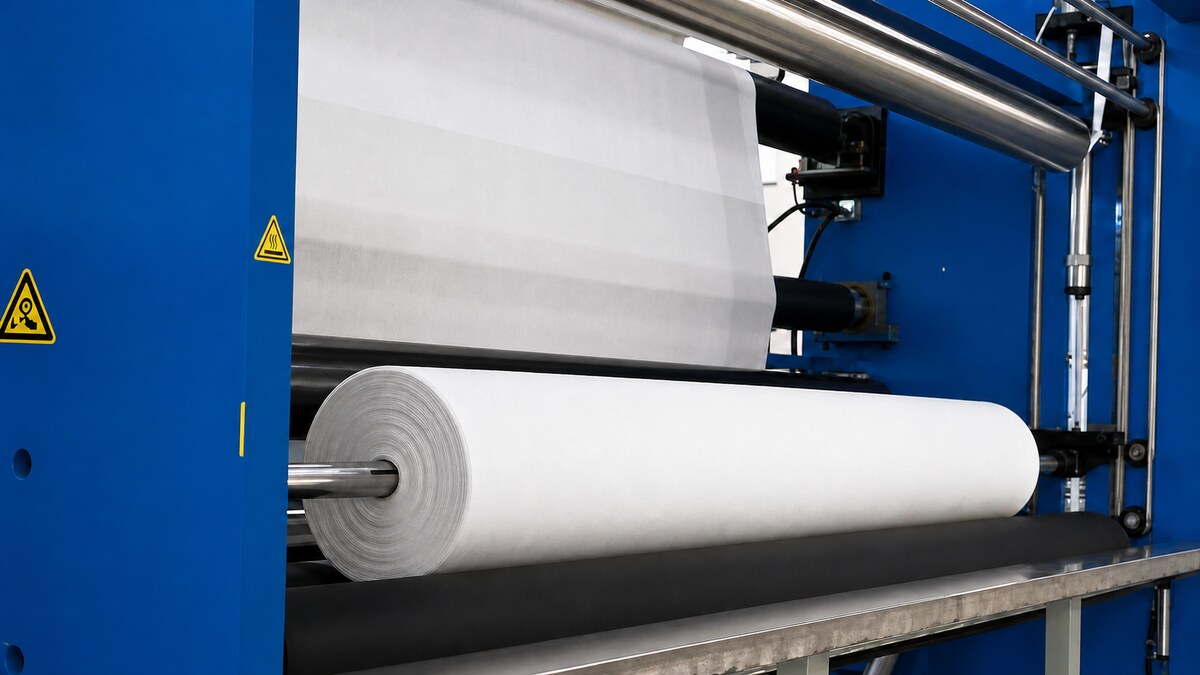
Meltblown nonwoven
From dosed feeding to the spinneret — steady metering is what makes the fibre lay down evenly.
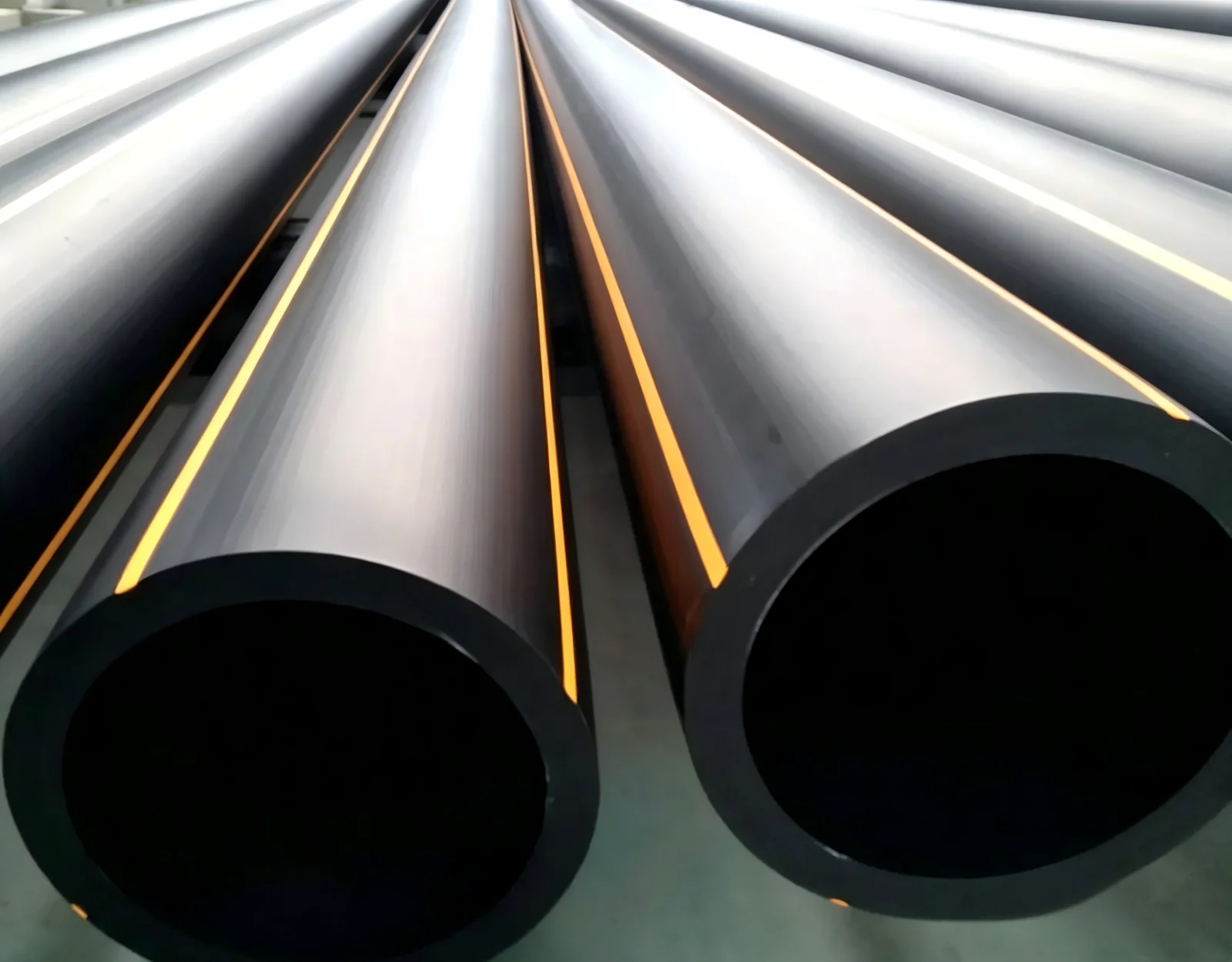
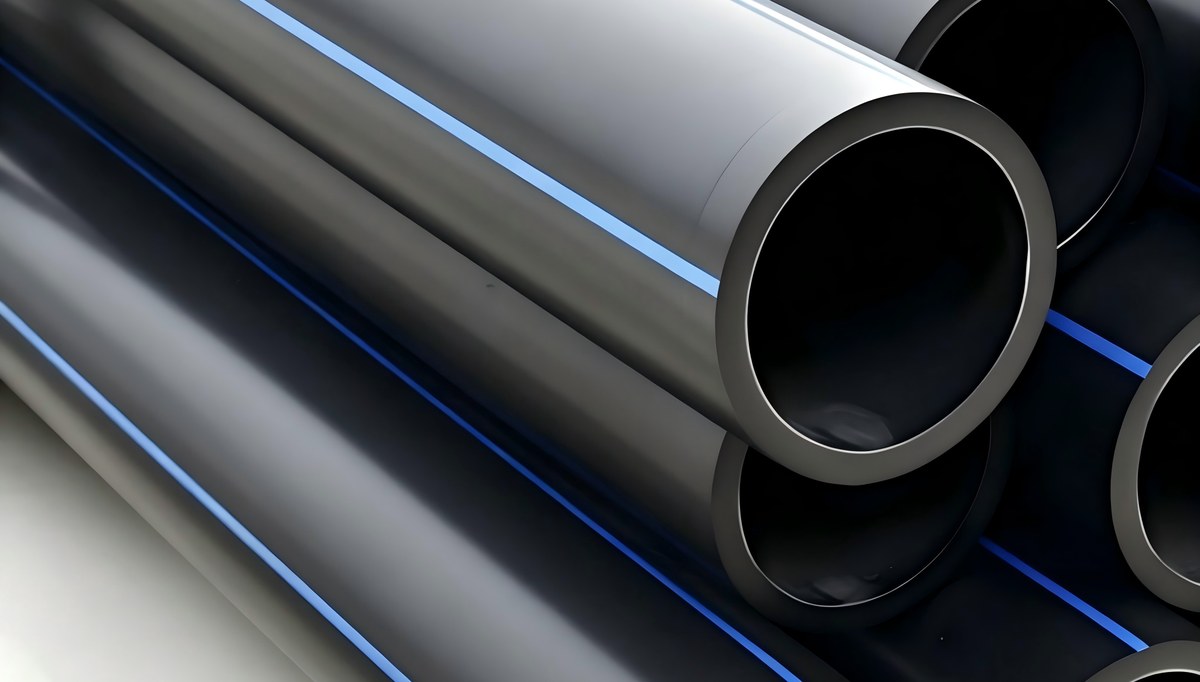
PE gas pipe
Natural gas is flammable and explosive; a cracked or leaking pipe is unthinkable — which is why gas pipe demands the tightest wall thickness of all.
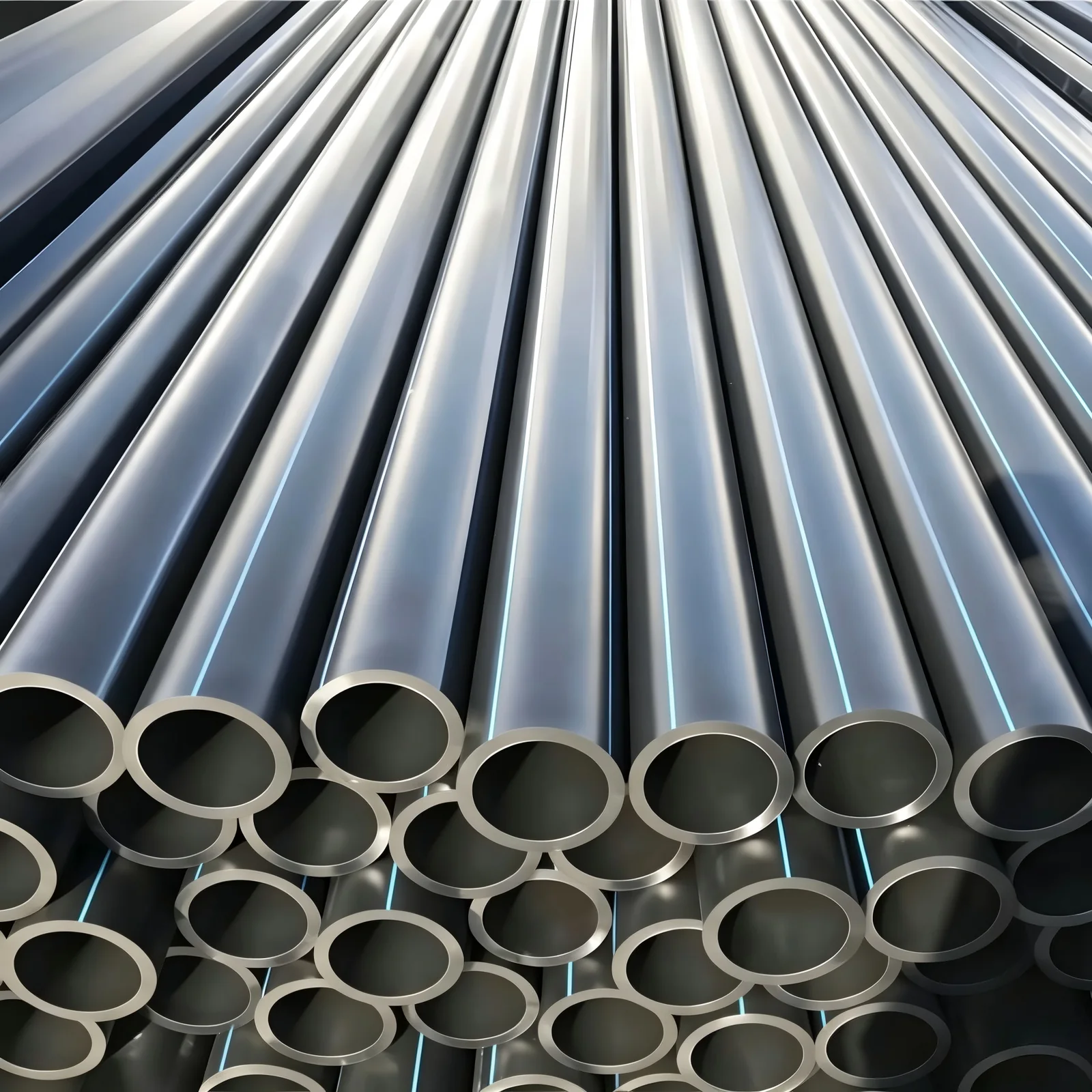
PE water pipe
Extruded in a single pass from dedicated polyethylene for municipal water networks, irrigation and agricultural sprinkler systems — acid-, alkali- and corrosion-resistant, and every metre has to hold.
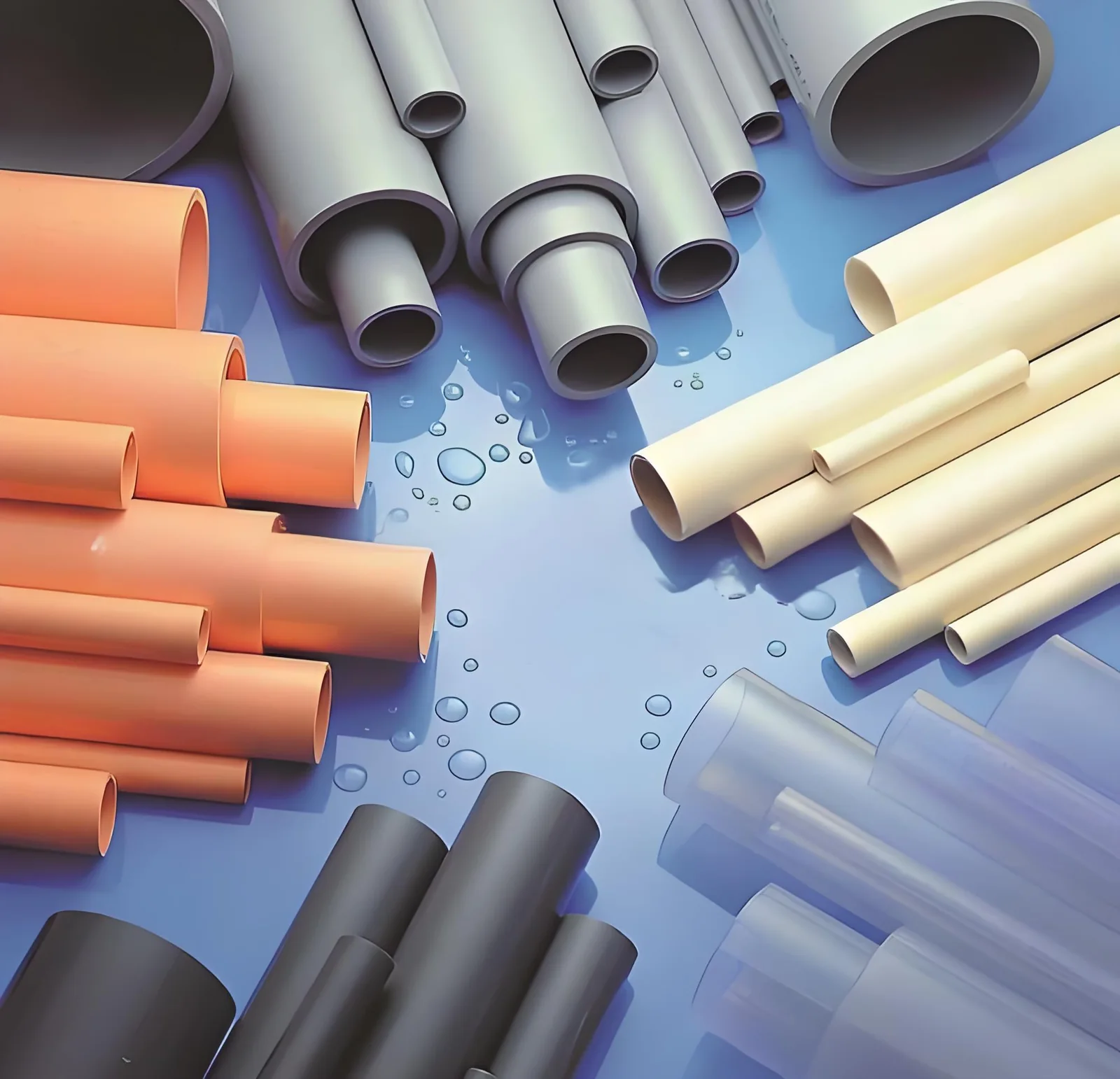
Plastic piping
From weighing at the feed throat to quality-gated storage — measurement and control across the whole extrusion process.
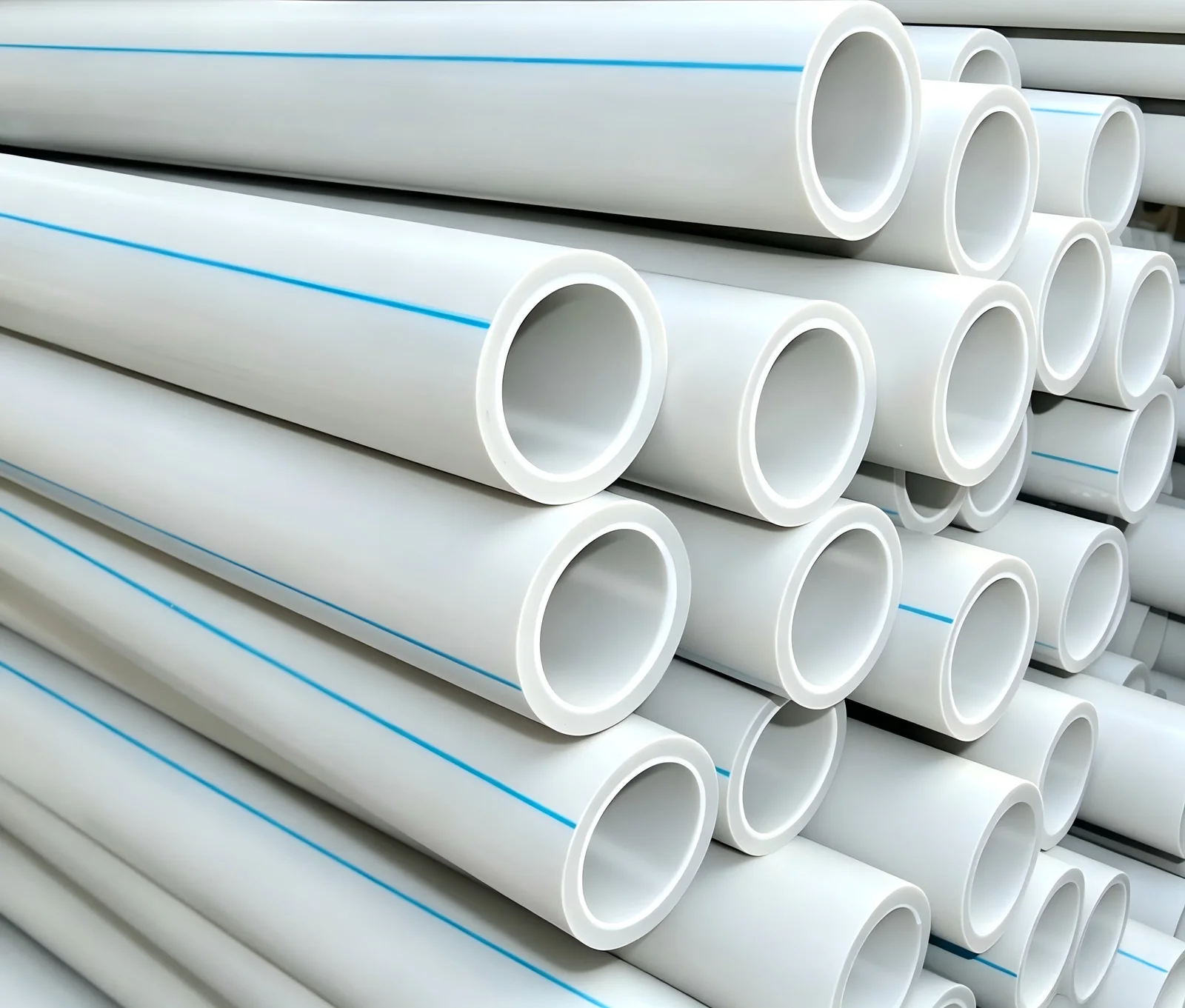
PPR pipe
PE/PPR/PERT high-speed lines run up to 20 m/min — adjust the speed and the tube goes thick or thin, or breaks outright.
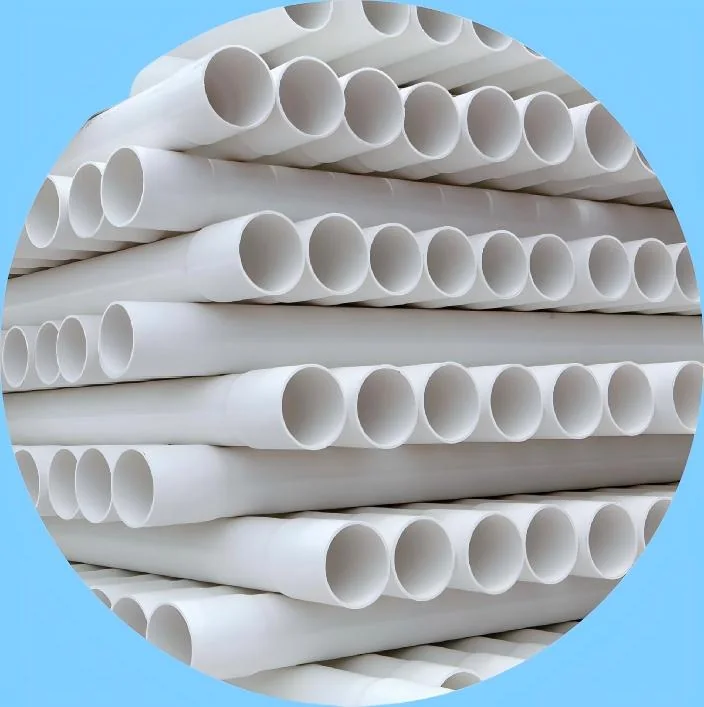
PVC pipe
The highest-volume pipe category of all — weight, wall and diameter, none of them can drift.
Sheet & board extrusion
Several materials blended to an exact ratio — get the ratio wrong and the board won't be even.